P2YL | 51. Why would any woman say, 'Love, honour, and OBEY'? I did. And then I didn't.
Next in the series: Five ways my Part 2 wedding was different from Part 1
👒 Based on personal experience, Part 2 Of Your (Love?) Life is dedicated to
* Reclaiming love and feminine confidence
* Often after divorce or heartbreak
* Or simply enjoying a feminine boost 🪷
First wedding
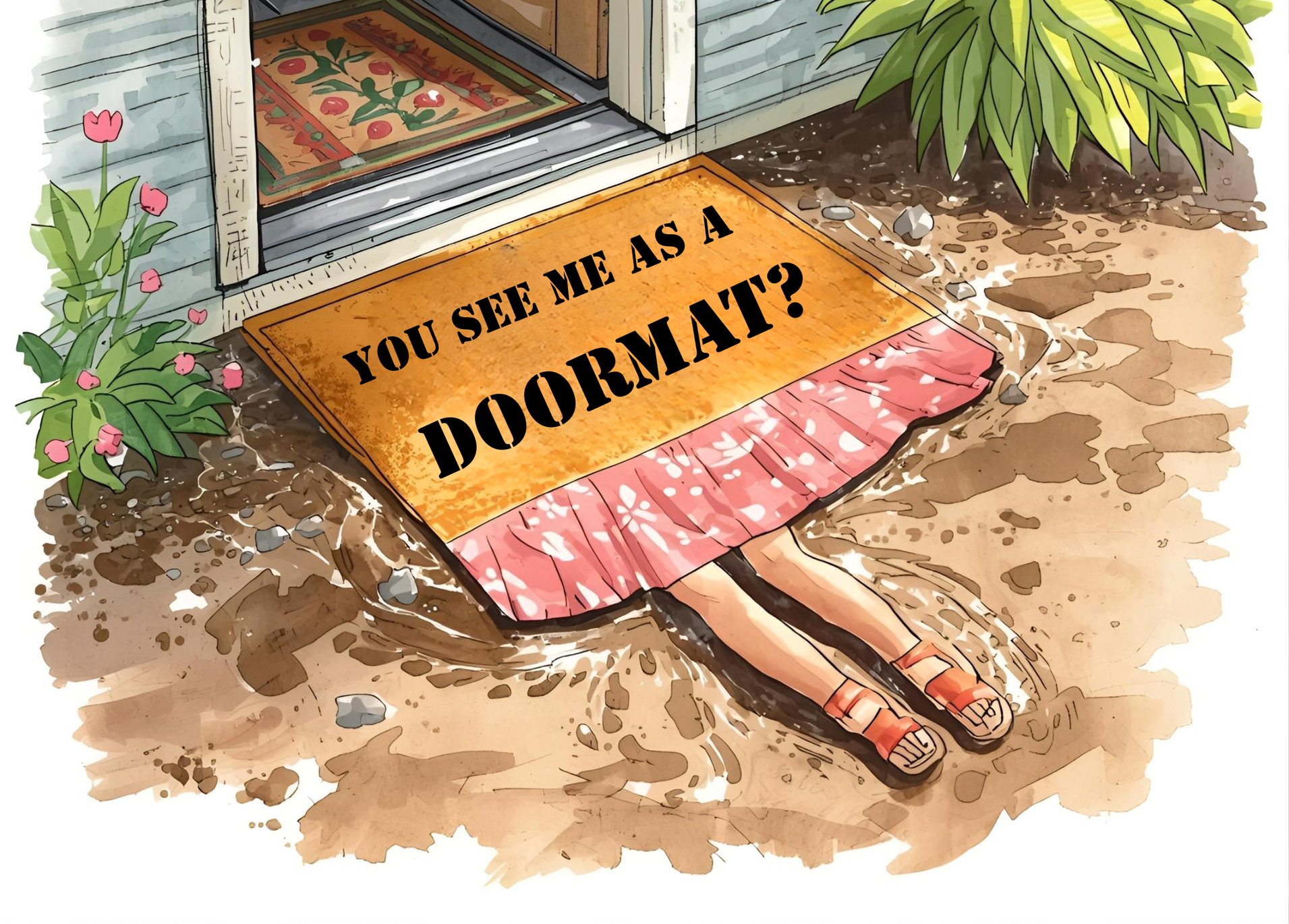
What sort of modern woman, unless she's a doormat, actually chooses to include the word ‘obey’ in her wedding vows, as in ‘Love, honour, and obey’?
I did, first time round. OK, hear me out: here’s why, and why I chose to do it differently when I got married for a second time.
Wedding no. 1: T minus 6 weeks and counting
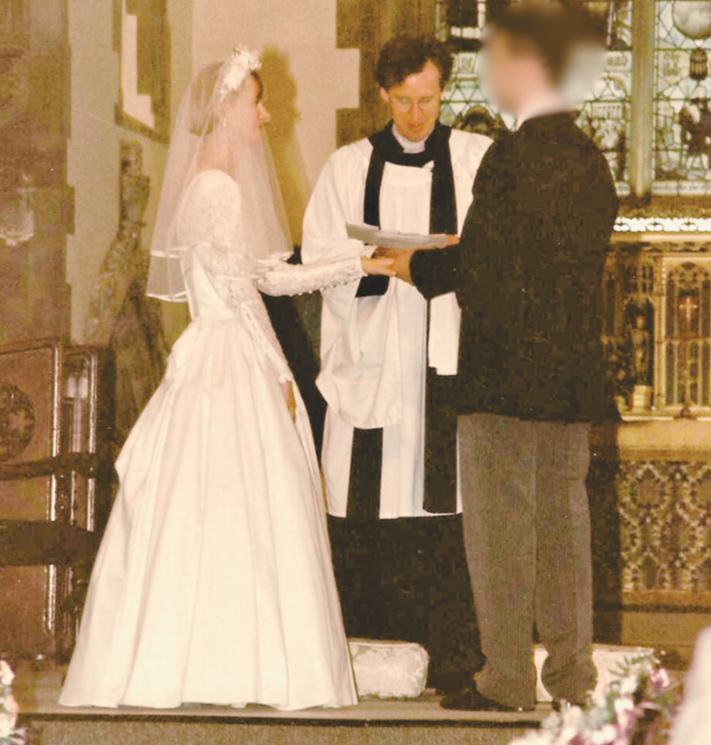
SCENE: A vicar’s study in a C of E megachurch, a few weeks before wedding no. 1. Present are the Bride, Groom, and Vicar.
BRIDE (me): I know most people don’t these days, but if it’s still an option I’d like to include ‘obey’ along with ‘love and honour’.
VICAR listening and considering, then turning to the GROOM: You do realise, Ben*, that if Katrina chooses to do this, it adds even greater weight to your responsibility to ensure that you NEVER abuse it?
The room seemed filled with light and love.
When not to 'obey'
VICAR explaining further: If a couple aren’t coming from a background where they’re mature-minded christians who have thought through the whole thing and understood the concept, I’d say Don’t touch ‘obey’ with a bargepole.
Mr Big vs. Mr BigHearted
What the promise is not:
It’s not a case of ‘Oy you, wifey, fetch my slippers!’
It’s more about a spirit of cooperation with the plans of someone you love, respect, and admire. Otherwise you wouldn’t choose to share your life with him. At least that’s the approach I took.
You watch someone’s character carefully throughout the whole dating process and you don’t pick someone who habitually rides roughshod over you or anyone else.
My radical foremothers
Even so my decision was considered both a bit retro and a bit radical.
My parents were married in the Methodist Church in the 1950s and the Methodist service purposely leaves out the word ‘obey’.
One generation further back, I was told that when my grandparents got married in the 1920s, my grandfather’s parents had suggested to him and his new bride that my grandmother be nominally in charge as she was considered to have the better business brain.
Second wedding
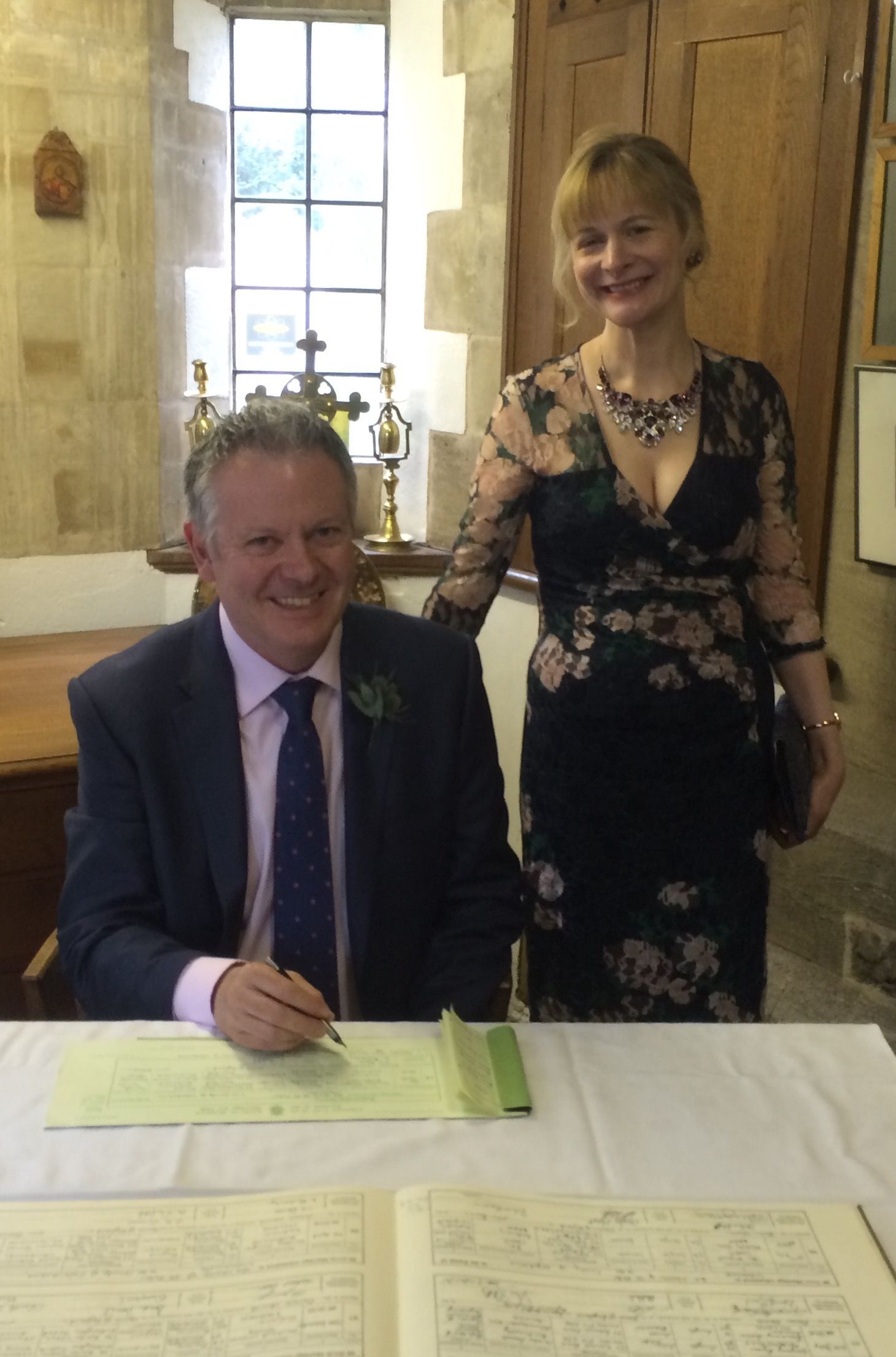
Second time round, I chose to omit 'obey'.
I was no longer at all sure there was any God or divine purpose in life but my instinct was still for a church marriage.
Maybe deep down I still see it as a ‘mystic union’, more than simply signing a contract required by the State.
'To love and to cherish'
This time we went with the more usual ‘love and cherish’ in our vows as they felt appropriate to the man and woman we were now: two mature people coming together who’ve been through a lot in life and this has had an effect on our psyche.
Any difference how it's played out in either relationship?
In both cases we usually instantly feel or felt the same way about any decision. If it’s more complicated, we give ourselves time to think it over. Sometimes I recognise he has greater expertise than I do in some areas, whereas at other times he recognises my instinctual approach is right.
So I’d say we both give way to the other at different times. We both submit to each other.
What about so-called 'trad wives'?
At the same time, I don't have a problem with women like Alena-Kate Pettit and her more traditional approach. She's clearly thought it through.
I also feel the warning from the wise vicar back then still stands:
If a couple aren’t mature-minded [spiritual people]
and haven’t thought the whole thing through
and understood the implications,
I’d say,
Don’t touch ‘obey’ with a bargepole.'